“with fruit” search results (20000)
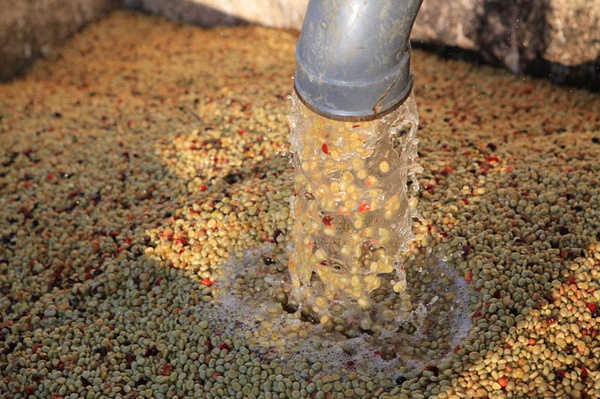
Different treatment methods of raw coffee beans are analyzed in detail.
After picking, coffee fruits need to go through a series of processes before they can become what we call coffee raw beans. This series of processes are often referred to as the handling of raw coffee beans or the rough processing of raw coffee beans in the industry. How do coffee beans get coffee there is a pair of seeds in the middle of the fruit, which are wrapped in the outer skin, pulp and endocarp. The ripe coffee fruit should stand after picking.
2015-11-20 Details analysis coffee raw beans various different treatment methods picking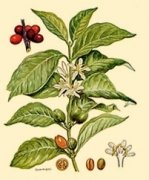
There are about 60 species of coffee plants in the world.
There are about 60 species of coffee in the world, of which only 25 species are cultivated to make coffee, of which only 4 species are used as commercial coffee: large fruit coffee (Coffea liberica), medium fruit coffee (Coffea canephora), small fruit coffee (Coffea arabica) and high yield coffee (Coffea dewevrei). These are botanical names. Coffee in the world at present
2015-06-04 The whole world coffee plants about many all over the world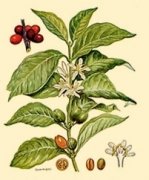
There are about 60 species of coffee plants in the world.
There are about 60 species of coffee in the world, of which only 25 species are cultivated to make coffee, of which only 4 species are used as commercial coffee: large fruit coffee (Coffea liberica), medium fruit coffee (Coffea canephora), small fruit coffee (Coffea arabica) and high yield coffee (Coffea dewevrei). These are botanical names. Coffee in the world at present
2015-09-15 The whole world coffee plants about many all over the world
Fruit-scented Yejassefi Coffee Manor flavor and taste characteristics of Cochel Manor
Yejia Xuefei, nearly 2,000 meters above sea level, is one of the highest coffee producing areas in the world. Here has been a wetland since ancient times, Yirga means to settle down, Cheffe means wetland, Lake Turkana, Lake Abaya, Lake Chamo bring rich water vapor here. The rift valley, represented by Misty valley, is foggy all the year round, like spring all the year round, with a gentle breeze.
2016-08-11 Fruit aroma Yega Sheffield coffee manor producing area flavor taste characteristics
Processing of fresh coffee beans
Wet treatment requires the use of specific equipment and a large amount of water. When properly operated, it can ensure that the original quality of coffee beans is better preserved, producing homogeneous coffee beans with few bad beans. As a result, coffee beans produced in this way are generally considered to be of better quality and charge higher prices. Even after careful harvest, a certain amount of underdried and undercooked coffee
2014-09-29 Processing of fresh coffee beans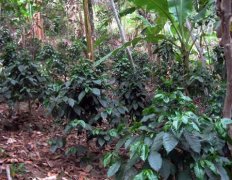
Production of coffee beans Coffee trees from planting to fruiting
Coffee trees take 3-5 years from planting to fruiting. 6-10 years of coffee trees are the most likely to bear fruit, about 15-20 years, is the harvest period. Coffee trees are usually bred in nurseries and grow into saplings, and then moved to coffee farms a year later, in full compliance with the way the Arabs planted and cultivated coffee trees. Coffee trees will continue to take root downward and upward in the first four or five years of their growth.
2015-06-04 Coffee beans production coffee planting fruit 3-5 year
Introduction to Kenyan coffee beans with a rich and perfect taste and a wonderful fruit flavor
Kenyan coffee is aromatic, full-bodied and fruity, with a rich and perfect taste. Kenyan coffee has a wonderful fruit flavor, tastes like BlackBerry and grapefruit, and is a favorite of many coffee gluttons. This coffee has an excellent medium purity, crisp and refreshing taste. It has a fresh flavor and is most suitable for drinking iced coffee in summer. Products
2016-06-22 Taste rich perfect with a wonderful fruit flavor Kenya coffee
Introduction of high-quality Honduran coffee beans treated by washing method San Juan likes to be productive
High-quality coffee in Honduras uses water washing to deal with coffee beans, usually after soaking, when the defective fruit will surface, it can be discarded first. Then put the good fruit into the fruit peeling machine and peel off the peel with the rotating force of the machine. Peeled fruits are screened by machines to select fruits of high quality. Usually the bigger the fruit.
2016-07-05 Washing processing high quality Honduras coffee beans introduction boutique San Hu Anxi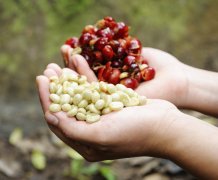
Anatomical structure of coffee beans the structure of coffee beans from the inside to the outside coffee fruit coffee pulp silver
Coffee is grown with seeds with endocarp, and the raw coffee beans we usually come into contact with have their endocarp removed, so they can't be planted. Endocarp (sheepskin or paper skin) refers to the tea-brown hard skin that surrounds coffee seeds, and coffee beans with that skin are called shelled beans (sheepskin paper beans). Usually there are two pairs of seeds in the fruit, but occasionally there is only one in the fruit.
2016-04-14 Coffee beans anatomy structure diagram from the inside structure coffee fruit pulp species
Introduction to cultivation techniques of Coffee Fruit
Cultivation techniques require that the origin of coffee trees [4] is in Ethiopia in Africa. In botany, coffee trees belong to the evergreen trees of the subgenus Rubiaceae, and coffee beans, commonly known as coffee beans, are actually the seeds of the fruit of coffee trees. They are called coffee beans only because they are shaped like beans. Climate is the decisive factor for coffee cultivation, and coffee trees are only suitable for growing in the tropics or subheat.
2016-06-13 Coffee fruit cultivation techniques introduction requirements coffee origin non-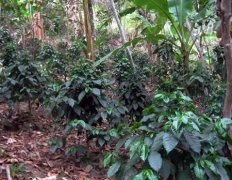
Production of coffee beans Coffee trees from planting to fruiting
Coffee trees take 3-5 years from planting to fruiting. 6-10 years of coffee trees are the most likely to bear fruit, about 15-20 years, is the harvest period. Coffee trees are usually bred in nurseries and grow into saplings, and then moved to coffee farms a year later, in full compliance with the way the Arabs planted and cultivated coffee trees. Coffee trees will continue to take root downward and upward in the first four or five years of their growth.
2015-10-13 Coffee beans production coffee planting fruit 3-5 year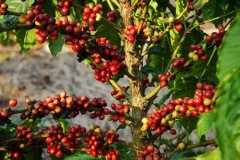
The process from fruit to raw coffee beans from harvest to delivery
A coffee tree can harvest 3-5 kg of fruit, and raw coffee beans account for 1. 5% of the fruit quality. Going from fruit to raw coffee beans is really a time-consuming and laborious task. Arabian, Robusta and Liberian Arabian coffee account for about 2% of the world's coffee production. The plant is not suitable for high temperature, low temperature, more rain and less rain. Coffee beans are oval and flat, with high quality
2015-08-24 Fruit coffee beans get delivery process one coffee tree can harvest 3-
The growth of a coffee bean from fruit to raw coffee bean
A coffee tree can harvest 3-5 kg of fruit, and raw coffee beans account for 1. 5% of the fruit quality. Going from fruit to raw coffee beans is really a time-consuming and laborious task. Arabian, Robusta and Liberian Arabian coffee account for about 2% of the world's coffee production. The plant is not suitable for high temperature, low temperature, more rain and less rain. Coffee beans are oval and flat, with high quality
2015-03-20 Fruit coffee beans one growth coffee tree can harvest 3-5 kg
Introduction to the appearance characteristics of Honduran coffee beans, the back coffee producing place in Central America.
High-quality coffee in Honduras uses water washing to deal with coffee beans, usually after soaking, when the defective fruit will surface, it can be discarded first. Then put the good fruit into the fruit peeling machine and peel off the peel with the rotating force of the machine. Peeled fruits are screened by machines to select fruits of high quality. Usually the bigger the fruit.
2016-06-16 Central America back coffee place of production Honduras coffee beans shape characteristics introduction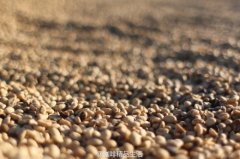
The process of basic knowledge of coffee beans from fruit to coffee bean
Coffee training basics-from fruit to raw coffee beans: a coffee tree can harvest 3-5 kilograms of fruit, and raw coffee beans account for 5% of the fruit quality. Going from fruit to raw coffee beans is really a time-consuming and laborious task. Arabica and Robusta Arabica coffee account for about 2% of the world's coffee production. The plant is not suitable for high temperature, low temperature, more rain and less rain.
2014-12-30 Coffee beans basics fruits processes coffee training
Honduran coffee-producing countries where coffee beans are treated by washing
High-quality coffee in Honduras uses water washing to deal with coffee beans, usually after soaking, when the defective fruit will surface, it can be discarded first. Then put the good fruit into the fruit peeling machine and peel off the peel with the rotating force of the machine. Peeled fruits are screened by machines to select fruits of high quality. Usually the bigger.
2016-07-02 Washing processing coffee beans Honduras coffee country of origin high quality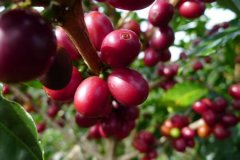
The process from fruit to raw coffee beans the basis of coffee beans
A coffee tree can harvest 3-5 kg of fruit, and raw coffee beans account for 1. 5% of the fruit quality. Going from fruit to raw coffee beans is really a time-consuming and laborious task. Arabian, Robusta and Liberian Arabian coffee account for about 2% of the world's coffee production. The plant is not suitable for high temperature, low temperature, more rain and less rain. Coffee beans are oval and flat, with high quality
2015-06-06 Fruit coffee beans process base one coffee tree can harvest 3-5 kg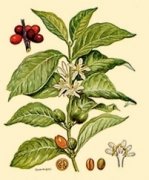
Coffee beans. There are about 60 species of coffee plants in the world.
There are about 60 species of coffee in the world, of which only 25 species are cultivated to make coffee, of which only 4 species are used as commercial coffee: large fruit coffee (Coffea liberica), medium fruit coffee (Coffea canephora), small fruit coffee (Coffea arabica) and high yield coffee (Coffea dewevrei). These are botanical names. Coffee in the world at present
2015-10-13 Coffee beans a family the world plants about a variety coffee
Fine Coffee Science explains the nouns of coffee in detail.
[source] basic source of medicinal materials: seeds of small fruit coffee, medium fruit coffee and large fruit coffee of Rubiaceae. Latin plant animal mineral name: 1.CoffeaarabicaL.2.CoffeacanephoraPierreexFroehn.3.CoffealibericaBul1.exH1en harvesting and storage: the pericarp begins to turn red and can be harvested. The harvest time varies with the species, and the small seeds are collected from September to November and from September to October.
2014-10-16 Coffee knowledge boutique caffeine coffee coffee encyclopedia
Coffee training basics-from fruits to raw coffee beans
Coffee training basics-from fruit to raw coffee beans: a coffee tree can harvest 3-5 kilograms of fruit, and raw coffee beans account for 5% of the fruit quality. Going from fruit to raw coffee beans is really a time-consuming and laborious task. Arabica and Robusta Arabica coffee account for about 2% of the world's coffee production. The plant is not suitable for high temperature, low temperature, more rain and less rain.
2014-10-08 Coffee knowledge coffee basics coffee fruits coffee raw beans